Poverty in Austria
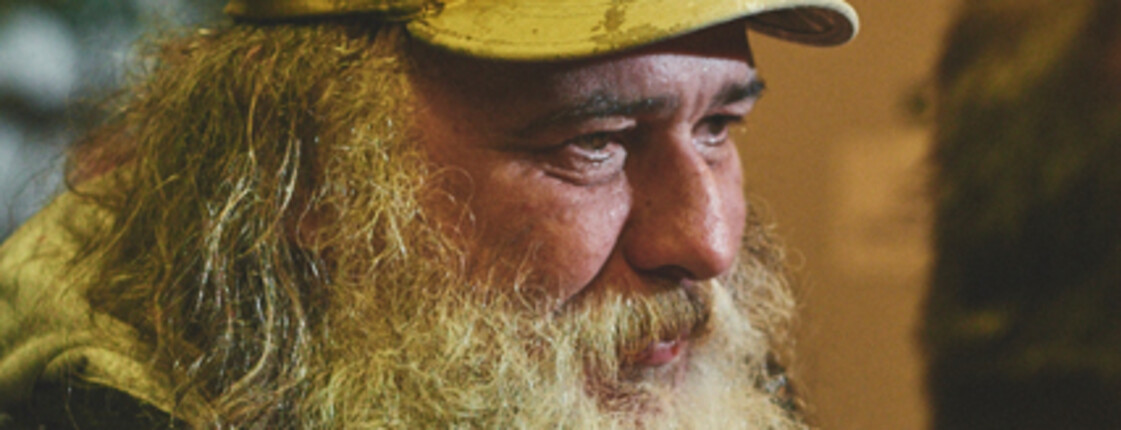
Projects aimed at securing housing, providing social services, medical care, and reintegration into the labor market for people at risk of poverty © Jork Weismann
Millions of people in Austria are at risk of poverty. A significant proportion are considered to be in actual poverty or at risk of multiple forms of social exclusion. In practical terms, this means that families do not have money for unexpected expenses, are unable to make their payments on time, or cannot afford to heat their homes adequately in the winter.
Once again, these statistics highlight the link between the risk of poverty and educational attainment. People with low levels of education are significantly more likely to be affected by poverty than those who have completed an apprenticeship or high school.
In addition to material hardship, people living in poverty also face emotional hardship: many feel abandoned, humiliated, and deprived of their dignity and opportunities. Those who cannot afford to invite friends over or take them to the movies are quickly marginalized. Out of shame at having to reveal their circumstances, many people also withdraw from society of their own accord.
As an endowment contributor, you are free to select projects to be implemented:
Securing accommodation - Assistance to the homeless
- Emergency shelters
- Day care centres
- Counselling
- Support
- Residential buildings
Social counselling
- Livelihood security
Supplies
- Carla Social Markets
- Medical care
- Mobile food and emergency supplies
Unemployment assistance
- Employment
- Re-entry into the labour market
Your endowment contribution supports the needy in Austria
Your endowment contribution supports the needy in Austria
Your personal endowment contribution of EUR 1 million is expected to generate an annual income stream of EUR 40,000 through capital gains or dividend payments allowing, for instance, people to relocate, over the long term. It could support a mother with children to move from a mother and child home to a regular apartment.
Alternatively, the assistance could be given to eight families each year to rent an apartment and provide them with basic furniture. Thereby, the assets contributed will remain intact as far as possible and thus continue to have an impact for an unlimited period.